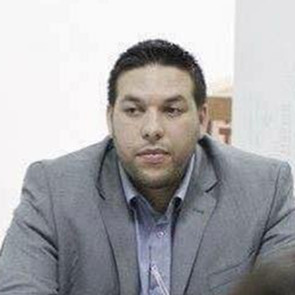
The following is based on a communication sent by the UN Special Rapporteur on Human Rights Defenders and other UN experts to the Government of Kazakhstan on 27 October 2025. The communication remained confidential for 60 days before being made public, giving the Government time to reply. The Government replied on 12 January 2026, and their response is currently being translated.
This is a shorter version of the original communication.
BACKGROUND
Topic: the sentencing of five Kazakh environmental human rights defenders, Mr. Nurlan Zhauylbayev, Mr. Zhanat Kazakbay, Mr. Fazylzhan Sydykov, Mr. Nurlan Temirgaliyev, and Mr. Aidar Mubarakov, who opposed the construction of a nuclear power plant in Kazakhstan.
ALLEGATIONS
In June 2024, President Tokayev announced that a referendum on the construction of a nuclear power plant (NPP) in Kazakhstan would be held in autumn.
The national referendum sparked a debate between supporters and opponents. Public hearings on this issue were organized in several regions across the country. Some participants described the public hearings as tilted in favour of the construction of the NPP.
On 2 September 2024, President Tokayev signed decree 636 on holding a national referendum on 6 October 2024 on the following question: “Do you agree with the construction of a nuclear power plant in Kazakhstan?”
On 29 September 2024, reports emerged of the arrests and detentions of several civic activists who opposed the construction of the NPP near lake Balkhash across the country (including, in Almaty, of Mr. Nurlan Zhauylbayev, Mr. Zhanat Kazakbay, Mr. Fazylzhan Sydykov, Mr. Nurlan Temirgaliyev, and Mr. Aidar Mubarakov). During the first hours of their detention, they were not informed about the reasons for being detained. Their arrest was authorized two days later by a judge of the investigative court, initially for two months. In January 2025, a request for home arrest was filed but has reportedly been denied.
On 26 August 2025, the Almaly District Court of Almaty found guilty Messrs Nurlan Zhauylbayev, Zhanat Kazakbay, Fazylzhan Sydykov, Nurlan Temirgaliyev, and Aidar Mubarakov under Article 272(3) of the Criminal Code of the Republic of Kazakhstan, regulating mass riots, and sentenced them to four years of restricted freedom each. Prosecutors had requested five-year prison terms. In addition, under article 50(3) of the Criminal Code, the convicted environmental human rights defenders have been banned from participating in public activities or creating a political party or becoming members of any political party for five years. The convicted activists are older persons of which three have chronic medical conditions that require regular treatment and access to medical care as well as facilities adapted to persons with reduced mobility. Reportedly, these conditions are not met by the facilities where they are detained.
According to media reports, most of the hearings were conducted hurriedly and with little chance for the defendants to share their views. On 24 July 2025, at one of the court hearings, reportedly journalists were removed from the courtroom by the judge. On 25 August 2025, the judge reportedly prohibited filming in the courtroom.
Denial of peaceful assemblies and action against other civic activists
On 25-26 September 2024, activists notified the local governments (“Akimats”) in Almaty, Aktobe, Pavlodar, Petropavlovsk, Uralsk and Shymkent of their intention to hold peaceful assemblies on referendum day and were met with refusals. Local public officials reportedly justified their refusals on grounds of “previously planned activities” on the same dates and locations, “provision of incomplete information” and “lack of regulation for holding a peaceful assembly”.
On 27 September 2024, in Ridder, the Akimat reportedly rejected a request to hold a rally on referendum day filed by one civic activist on 25 September.
As of 1 October 2024, reportedly a total of 45 refusals to permit peaceful assemblies on 6 October 2024 were recorded in 12 cities.
In addition, between 19 August and 6 October 2024, media and other sources reported of several cases where environmental human rights defenders, civic and political activists, journalists across Kazakhstan were subjected to fines, administrative penalties, detentions or surveillance in response to their opposition to the construction of the NPP.
CONCERNS
In the communication, we express our serious concern over the criminal prosecution and sentencing of Mr. Nurlan Zhaulibayev, Mr. Zhanat Kazakbay, Mr. Fazylzhan Sydykov, Mr. Nurlan Temirgaliyev, and Mr. Aidar Mubarakov, and the criminalization and punishment, including through the imposition of fines, administrative penalties, detentions or surveillance of other activists, in seeming retribution for exercising their rights to freedom of expression, peaceful assembly and association. We are also concerned about the seemingly arbitrary and unjustified restrictions on the right to peaceful assembly in connection with the public debate around the construction of a nuclear power plant.